Love Shape Digital Paper: A Versatile Creative Asset for Modern Makers
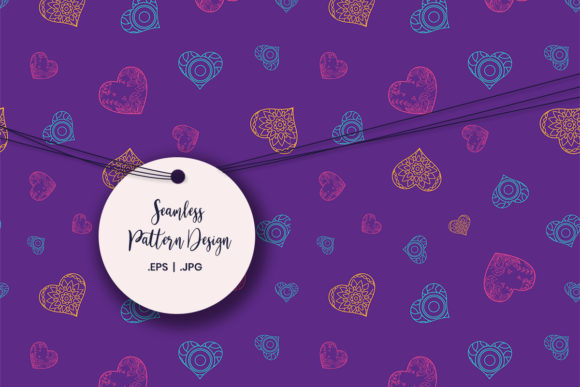
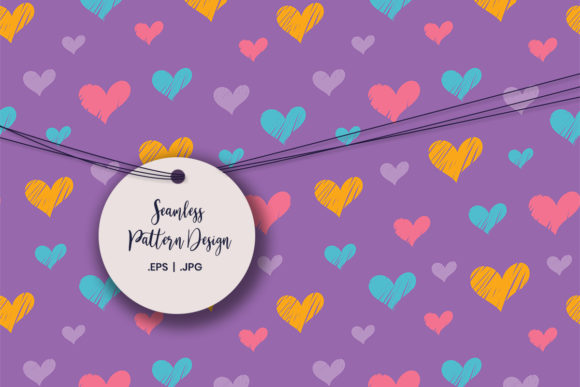
Digital paper isn’t just a convenience—it’s become a foundational tool for creators who value flexibility, speed, and consistency without sacrificing aesthetic quality. Love Shape Digital Paper exemplifies this shift: a thoughtfully crafted, scalable pattern design rooted in warmth and intentionality, built not as a static image but as a functional resource. Its heart lies in the universal symbol of connection—the love shape—but rendered with clean lines, balanced spacing, and intentional negative space that ensures clarity whether printed at 2 inches or 24 inches. Unlike generic clipart or overused stock patterns, this design bridges emotional resonance with practical utility—making it equally at home on a child’s handmade card and a boutique brand’s limited-edition product label.
Why This Design Fits How We Create Today
Today’s creative workflows are rarely linear. A teacher may design a classroom Valentine’s bulletin board in the morning, then repurpose the same visual for printable reward stickers by lunchtime. A small-batch stationery entrepreneur might start with a digital mockup for Instagram, print matching gift tags for an Etsy order, and later adapt the layout into a PDF invitation suite—all within one afternoon. Love Shape Digital Paper supports that fluidity. Its inclusion of both EPS 10 (vector-based, infinitely scalable) and high-resolution JPG files means no compromise between precision and accessibility. Designers using Adobe Illustrator can edit individual elements; educators using Canva or Google Slides can drop in the JPG without distortion; crafters printing at home get crisp results even on standard inkjet printers.
This responsiveness reflects broader shifts: fewer people own dedicated design software, yet more than ever expect professional-grade output. Subscription fatigue has also nudged users toward one-time, high-value assets—especially those that eliminate repetitive tasks like resizing, recoloring, or reformatting. Rather than building from scratch each time, makers now curate libraries of reliable, on-brand elements. Love Shape Digital Paper functions as such a library staple—not a trend-driven novelty, but a quietly essential layer in everyday creative infrastructure.
From Scrapbooks to Strategy: Real-World Applications
The listed uses—scrapbooking, kids’ crafts, greeting cards, party invitations, wrapping paper, labels, decorations, digital backgrounds—are not just marketing bullet points. They reflect actual, overlapping needs across audiences:
- Educators use the pattern as printable borders for student awards or themed reading logs—its gentle repetition calms visual overwhelm while reinforcing thematic focus (e.g., kindness units or friendship circles).
- Small business owners apply it subtly behind product photos for cohesive social media feeds, or scale it down for elegant packaging tape designs—low-cost branding that feels considered, not templated.
- Parents and caregivers print it on cardstock for reusable Valentine’s Day activity sheets—cut-out hearts, matching games, or tracing templates—that support fine motor development without screen time.
- Freelance designers embed the EPS file directly into client brand guidelines as a secondary pattern option—offering warmth without competing with primary logos or color systems.
What ties these together is efficiency grounded in intention. The design doesn’t shout; it supports. It avoids visual clutter so other elements—handwritten notes, photographs, product shots—remain the focal point. That restraint is increasingly valued, especially as attention spans shrink and information density rises.
Color Consistency in a Hybrid World
The note—“The colors on your screen may be slightly different from the actual print”—isn’t a limitation. It’s an honest acknowledgment of how digital creation now straddles two physical realities: screen-based collaboration and tangible output. Monitors vary. Printers differ. Paper stocks absorb ink uniquely. But because Love Shape Digital Paper ships in EPS 10 format, users retain full control over CMYK or Pantone values before sending to a professional printer. For home use, the high-res JPG is optimized for sRGB—ensuring predictable results on common devices without requiring color calibration expertise.
This transparency builds trust. It signals that the creator understands real-world constraints—not just ideal conditions. In an era where “drag-and-drop perfection” promises often collapse under real-world variables, acknowledging color variance becomes a quiet marker of experience and reliability.
Design Evolution: Simplicity With Substance
Look back at digital paper trends from even five years ago, and you’ll see denser motifs, heavier textures, and more aggressive gradients. Today’s preference leans toward airiness, modularity, and adaptability—qualities baked into Love Shape Digital Paper. Its spacing allows for easy cropping and tiling; its vector foundation enables quick recoloring to match seasonal palettes or brand refreshes; its single-shape focus makes it legible at small sizes (think 0.5-inch labels) without losing identity.
This evolution mirrors broader cultural movements: minimalism isn’t about austerity—it’s about removing friction so meaning can emerge. A child gluing cut-out hearts onto a poster isn’t thinking about vector paths—they’re expressing care. A marketer choosing this pattern for a wellness brand’s thank-you card isn’t selecting a “trend”—they’re aligning visual language with values like compassion and presence. The design works because it serves the human action first, the technical spec second.
Practical Tips for Getting the Most Out of Your Files
Once downloaded, these files don’t need to sit idle in a folder. Try these grounded, no-fluff approaches:
- Test print before bulk runs. Print one 8.5" × 11" sheet on your intended paper type—even if it’s just for proofing alignment and color balance. Small adjustments here prevent waste later.
- Use the EPS to create custom repeats. In Illustrator, open the EPS and expand the pattern swatch. Adjust spacing or rotate elements to build variations—ideal for creating subtle hierarchy across multi-page documents.
- Layer the JPG digitally. In tools like Photoshop or Affinity Photo, place the JPG as a multiply or overlay layer above photos or text. It adds texture without obscuring content—perfect for digital greeting cards or blog headers.
- Repurpose for physical + digital hybrids. Print the pattern on sticker paper, cut out hearts, and use them as tactile accents on hand-assembled invitations—then photograph the result for social sharing. You’ve extended one asset across three formats.
None of these require advanced skills. They rely instead on observation and iteration—the kind of practice that grows more intuitive with use.
A Resource That Grows With You
Good creative tools don’t lock you into one use case. They invite reinterpretation. A teacher might start with Love Shape Digital Paper for February crafts—and later realize its rhythm works beautifully as a background for end-of-year reflection prompts. A blogger documenting their small business journey could use it for Pinterest pins, then adapt the same file into a printable goal tracker for their audience. The EPS file remains unchanged, but its application evolves alongside your needs.
That longevity matters—not just for budget-conscious creators, but for those seeking coherence across projects. When your digital paper shares visual DNA with your printed materials, your work begins to feel like a unified voice rather than a collection of isolated outputs. In a landscape crowded with disposable content, that sense of continuity is both rare and deeply functional.
Ultimately, Love Shape Digital Paper succeeds not because it does everything, but because it does several things exceptionally well: it scales without breaking, adapts without demanding expertise, and carries emotional weight without leaning on cliché. It meets today’s creators where they are—juggling roles, platforms, and priorities—while quietly supporting the work that matters most: making meaningful connections, one thoughtful detail at a time.