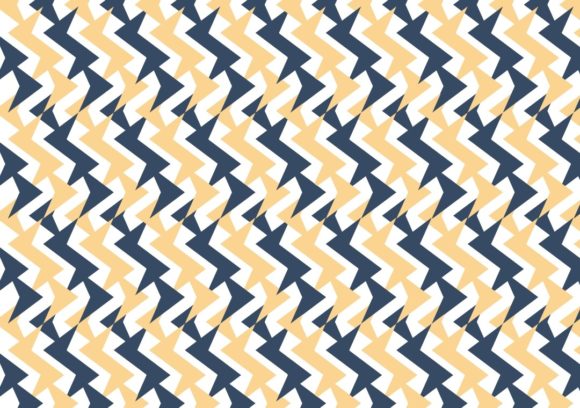
Zigeom: The Zigzag Geometric Pattern That Turns Everyday Surfaces Into Contemporary Statements
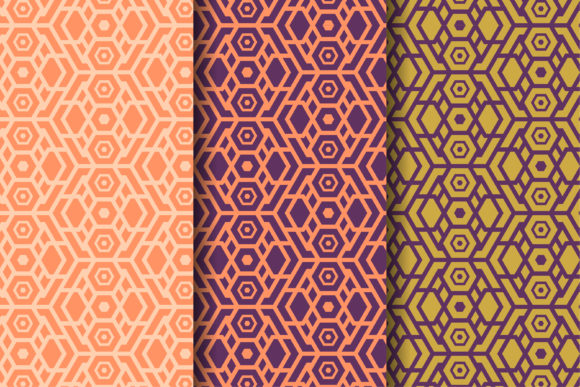
You’ve seen it—maybe without naming it. A wall in a downtown café with rhythmic, interlocking Z-shaped lines. A textile sample at a design studio that pulses with quiet energy. A website header where motion feels intentional, not random. That’s Zigeom: short for *zigzag geometric*, a contemporary art pattern born from observation, refined through intention, and increasingly adopted across real-world contexts—not as decoration alone, but as a functional visual language.
What Zigeom Actually Is (and What It Isn’t)
Zigeom isn’t just “a zigzag.” It’s a deliberate, repeatable sequence of sharp, angular turns—typically 60° or 90°—that form a continuous, directional flow. Unlike generic chevrons or haphazard line work, Zigeom maintains consistent spacing, proportion, and orientation. Its origin? A weathered brick wall spotted in Lisbon by artist and designer Marta Lin, who sketched the rhythm of light and shadow across its uneven surface. She translated that physical cadence into a scalable, modular system—one that balances structure and movement.
That grounding in place matters. Zigeom doesn’t feel digitally generated or algorithmically cold. It carries texture, memory, and human scale—even when rendered in vector form or laser-cut into plywood.
Where It Shows Up—and Why It Sticks
Zigeom works where clarity meets character. Think of it like a visual anchor: it guides the eye without shouting, organizes space without rigidifying it, and adds rhythm without overwhelming.
For Creators & Freelancers: Structure With Soul
A graphic designer building a brand identity for a sustainable architecture firm might use Zigeom as a subtle background motif in presentation decks—reinforcing ideas of precision, flow, and grounded innovation. It reads as thoughtful, not trendy. A ceramicist might carve Zigeom grooves into the rim of a serving platter: the pattern echoes the hand’s natural back-and-forth motion, making each piece feel both intentional and tactile.
For Educators & Small Business Owners: Visual Scaffolding That Learns With You
In a Montessori classroom, teachers print Zigeom grids on laminated cards to help children track reading direction or sequence steps in a science experiment. The Z-shape mirrors how eyes move left-to-right, then down—a gentle, built-in cue. A local bike shop uses Zigeom as a border on their workshop floor map: mechanics glance at it mid-repair and instantly orient themselves to tool zones, without needing labels or color coding.
For Marketers & Bloggers: Engagement Without Overdesign
Scroll fatigue is real. But a blog post about urban gardening opens with a full-width Zigeom divider—thin, charcoal-gray lines against off-white. It doesn’t distract. Instead, it creates a quiet pause before the first paragraph, signaling a shift in tone. On social, a small-batch candle brand overlays Zigeom faintly behind product photos. It unifies their feed visually—not with filters or heavy branding, but with rhythm. Followers start recognizing the pattern before they see the logo.
For Publishers & Content Teams: Layout That Supports, Not Competes
Long-form digital publications often struggle with “wall of text” syndrome. One indie magazine embeds responsive Zigeom rules between sections—thin, animated only on hover. Readers don’t notice them until they need to reorient. Then, the Z-line becomes a tactile landmark: “Ah—I’m in the interview section now.” No icons, no headings needed. Just spatial intelligence made visible.
Real Considerations Before You Use Zigeom
Like any strong visual tool, Zigeom gains power from restraint—not repetition. Here’s what users consistently report after trying it:
- Scale changes everything. At 2px height on a mobile screen, Zigeom can blur into noise. At 12px on a trade-show banner, it risks feeling aggressive. Test it at actual size, in context—not just in a mockup.
- Color contrast needs breathing room. High-contrast Zigeom (black on white) commands attention. Low-contrast (charcoal on warm gray) invites closer looking. Choose based on your goal: guidance vs. invitation.
- It’s not neutral—but it’s not loud either. Zigeom implies forward motion, decision, and layered thinking. It won’t suit a brand built entirely on softness or nostalgia unless deliberately juxtaposed (e.g., Zigeom embroidery on a linen napkin).
- Modularity matters. Look for Zigeom assets built with consistent units—so you can scale, rotate, or tile without breaking alignment. Avoid “one-off” SVGs that don’t repeat cleanly.
How Different People Apply It—Without Calling It “Design”
A high school physics teacher projects a Zigeom grid onto her whiteboard while explaining wave interference. Students sketch over it—not because it’s decorative, but because the angles help them visualize phase shifts. She didn’t “add a pattern”; she borrowed a scaffold already embedded in how humans parse direction.
A freelance UX writer uses Zigeom as a subtle horizontal rule between FAQ answers. Users report scanning faster—not because the line is flashy, but because their eyes lock onto the predictable angle and know, instinctively, “next idea starts here.”
A small-batch soap maker stamps Zigeom into the top of each bar using a custom copper mold. Customers photograph the detail—not for Instagram, but because it signals care in execution. “You can tell it wasn’t stamped once and forgotten,” one wrote in a review. “It lines up. Every time.”
Start Simple—Then Let It Grow
You don’t need a license, a subscription, or a design degree to begin with Zigeom. Try this:
- Sketch three Z-shapes in a row on paper—same size, same spacing.
- Use them as bullet points in a client email instead of standard dots.
- Trace them lightly in pencil behind handwritten notes during your next planning session.
- Notice where your eye lingers—and where it moves next.
That’s where Zigeom earns its keep: not as ornament, but as orientation. As rhythm. As a quiet way to say, This matters—and I built it with attention.
Whether you’re laying out a newsletter, choosing wallpaper for your home office, prototyping a packaging concept, or simply trying to make your to-do list feel less chaotic, Zigeom offers structure that breathes. It’s geometry with a pulse—and it starts wherever you decide to draw the first turn.