Geometric Decorative Christmas Design
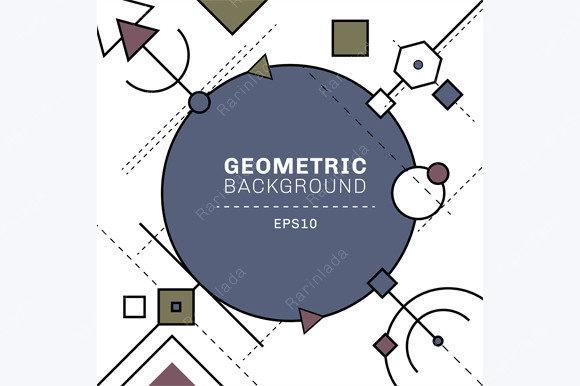
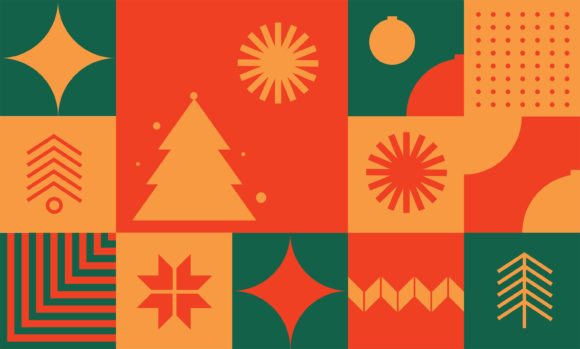
Geometric Decorative Christmas Design refers to holiday-themed visual assets—such as vector illustrations, background patterns, wrapping paper layouts, and surface designs—that use precise shapes (triangles, hexagons, diamonds, chevrons, grids, and tessellations) to create structured, modern interpretations of traditional Christmas motifs. Unlike organic or illustrative styles featuring hand-drawn trees, snowflakes, or reindeer, geometric approaches simplify festive elements into clean lines, symmetrical arrangements, and repeating units. These designs are commonly delivered as scalable vector files, high-resolution PNGs, or print-ready PDFs intended for physical and digital applications.
Why Consider Geometric Decorative Christmas Design?
People explore Geometric Decorative Christmas Design for several practical reasons. Designers may need versatile, licensable assets for client projects—such as branded holiday campaigns, packaging, or social media templates. Small business owners often seek affordable, professional-looking resources for seasonal product wraps, greeting cards, or shop signage. Educators, crafters, and DIY enthusiasts look for printable patterns that cut cleanly on cutting machines or translate well to fabric, vinyl, or stationery. The appeal lies not in novelty alone, but in functional advantages: scalability without pixelation, adaptability across color schemes, and ease of customization in design software.
Key Benefits and Realistic Tradeoffs
One primary benefit is consistency. Because geometric patterns rely on repetition and alignment, they lend themselves to seamless tiling—making them especially effective for backgrounds, gift wrap, and wall decals. Their structured nature also supports accessibility: high contrast, clear boundaries, and predictable rhythm can improve legibility and visual processing for diverse audiences. Additionally, many geometric Christmas vectors include layered, editable components (e.g., separate tree silhouette, star accent, and grid base), enabling users to adjust colors, spacing, or composition without redrawing.
However, tradeoffs exist. Geometric Decorative Christmas Design tends to prioritize clarity and cohesion over warmth or narrative. It may feel less personal or nostalgic than hand-rendered or folk-inspired alternatives—important considerations when targeting audiences who value tradition, rustic charm, or emotional resonance. Also, while vectors are resolution-independent, improper scaling or misaligned layers in editing software can disrupt symmetry or cause unintended gaps in tiling. Users unfamiliar with vector-editing tools (like Adobe Illustrator or Affinity Designer) may face a learning curve when modifying complex groupings or adjusting pattern swatches.
Situations Where It’s a Strong Fit
Geometric Decorative Christmas Design works well when the goal is visual cohesion across multiple touchpoints. For example, a boutique launching a limited-edition holiday collection might use a single geometric motif—say, an interlocking pinecone-and-diamond repeat—as the unifying element across tags, boxes, website banners, and email headers. Similarly, corporate marketing teams often prefer this style for internal holiday communications: it conveys professionalism, aligns with existing brand guidelines (especially if those already incorporate minimalist or tech-adjacent aesthetics), and avoids cultural or regional associations that more figurative designs might carry.
It’s also suitable for production contexts where precision matters. Wrapping paper manufacturers benefit from seamless, tileable geometric patterns that minimize waste during printing. Laser-cutters and CNC machines handle sharp angles and uniform spacing more reliably than intricate freehand curves—making geometric vectors ideal for custom ornaments, wood signs, or metal decor. And because these assets typically use limited color palettes (often three to five tones), they reduce ink costs and simplify spot-color printing.
When Alternatives May Be More Appropriate
Alternatives become worth considering when audience expectations center on authenticity, storytelling, or tactile richness. A children’s book publisher developing holiday-themed activity sheets may find whimsical, outlined snowmen or textured watercolor trees more engaging than abstract polygons. Similarly, artisans selling handmade ceramics or knitwear might choose botanical, Scandinavian, or vintage-inspired patterns—styles that evoke craftsmanship and material warmth rather than digital precision.
Another scenario involves localization. While geometric forms are broadly legible, certain symbols (e.g., stars, circles, or specific angular configurations) carry varied cultural meanings. In some regions, highly stylized or minimal representations of religious icons may be perceived as dismissive or overly secular. In such cases, reviewing regional design conventions—and possibly consulting local stakeholders—is more valuable than defaulting to universal geometry.
Making a Practical Decision
To determine whether Geometric Decorative Christmas Design aligns with your needs, begin by clarifying two things: your application context and your audience’s visual expectations. Ask: Will this be viewed at a distance (e.g., retail signage) or up close (e.g., greeting card detail)? Does your audience respond better to clarity and structure—or to expressiveness and variation? If you’re sourcing assets, verify technical compatibility: check whether the file includes vector paths (not rasterized outlines), confirm licensing permits commercial use if needed, and ensure color modes match your output (CMYK for print, RGB for screen).
Also consider workflow integration. Some geometric pattern packs come with pre-built swatches for Illustrator or Photoshop; others require manual tiling setup. Preview how easily you can recolor elements—especially if matching a brand palette—and whether layer naming is intuitive. Free samples or low-cost test downloads can reveal usability issues before committing to larger bundles.
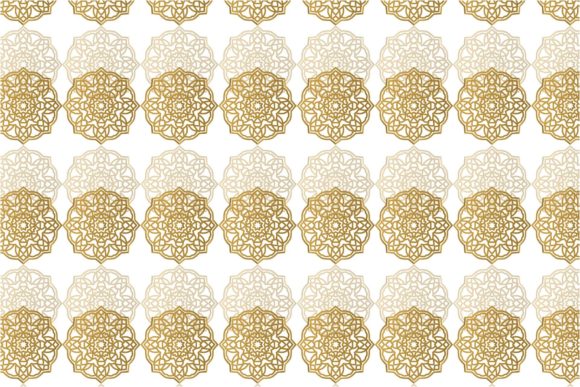
Finally, recognize that “geometric” isn’t monolithic. Within this category lie distinct sub-styles: isometric 3D trees, Bauhaus-inspired typography overlays, Moroccan tile-inspired borders, or monoline continuous-line wreaths. Reviewing examples across these variations helps identify which interpretation best serves your purpose—not just the broad category.
Conclusion
Geometric Decorative Christmas Design offers a functional, adaptable, and visually disciplined approach to seasonal creativity. Its strength lies in repeatability, scalability, and compatibility with both digital and physical production methods. Yet its suitability depends less on trendiness and more on alignment with specific goals: consistency across formats, efficiency in execution, or harmony with a modern aesthetic framework. Evaluating it alongside audience preferences, technical requirements, and alternative stylistic options ensures a grounded, purpose-driven choice—rather than one made solely on visual appeal.